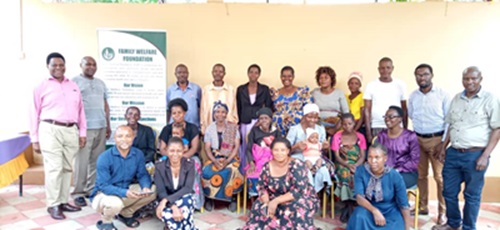
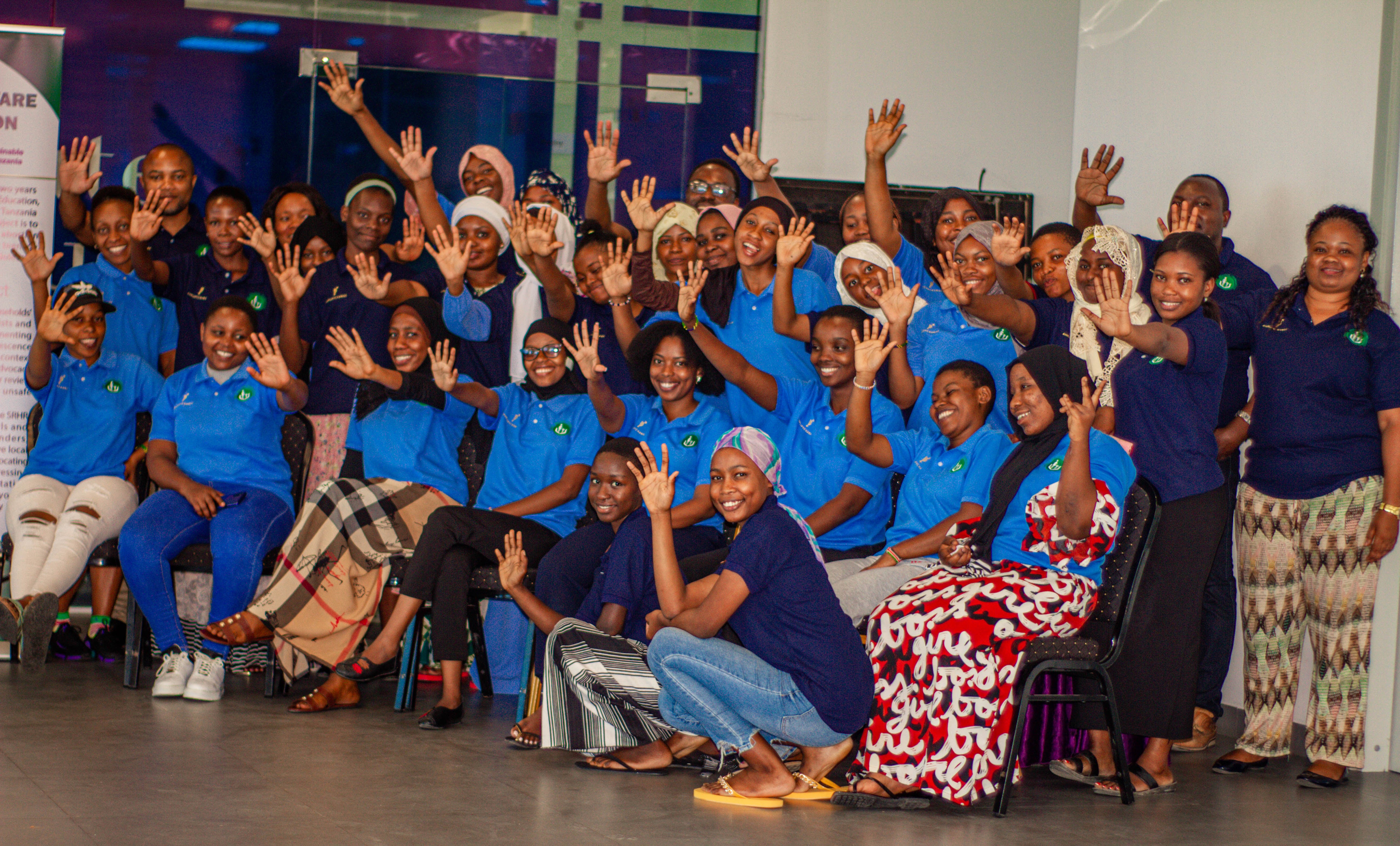
FWF implements its work through three core program areas that respond
to the most pressing challenges affecting women, girls, and vulnerable communities.
FWF implements its work through three core program areas that respond
to the most pressing challenges affecting women, girls, and vulnerable communities.
Women and Girls Human Rights
This program promotes gender equality and strengthens the protection of women
and girls from violence, discrimination, and harmful practices. The program works to enhance awareness of
women rights, strengthen community accountability, and advocate for policies that protect the rights of
women and girls.
FWF implements its work through three core program areas that respond
to the most pressing challenges affecting women, girls, and vulnerable communities.
Key areas of intervention include:
• Prevention and response to gender-based violence
• Advocacy for women’s human rights and gender equality
• Legal awareness and community education on rights protection
• Addressing harmful cultural practices affecting women and girls
• Promoting digital safety and protection from online violence
• Strengthening community structures that support survivors of violence
Through community engagement and policy dialogue,
the program contributes to creating safe and supportive environments where women and girls can exercise their rights.
Primary Healthcare Services
This program focuses on improving access to essential healthcare
services for women, adolescent girls and vulnerable populations, particularly in underserved communities.
The program addresses key public health challenges affecting women and
youth, including sexual and reproductive health, HIV, tuberculosis and maternal health.
Key areas of intervention include:
• Women’s economic empowerment and entrepreneurship development
• Youth leadership and skills development programs
• Climate-smart agriculture and sustainable farming practices
• Community awareness on climate change adaptation
• Strengthening women’s participation in agricultural value chains
• Supporting income-generating activities and livelihood initiatives
Through these interventions, the program contributes
to improving economic resilience and sustainable development for vulnerable communities.
Cross-Cutting Approaches
Across all program areas, Family Welfare Foundation
integrates key cross-cutting approaches to ensure inclusive and sustainable development outcomes. These include:
The program addresses key public health challenges affecting women and
youth, including sexual and reproductive health, HIV, tuberculosis and maternal health.
Key areas of intervention include:
• Gender equality and women’s empowerment
• Youth participation and leadership
• Climate change resilience and environmental sustainability
• Community participation and ownership
• Evidence-based advocacy and policy engagement
These approaches strengthen the effectiveness and
sustainability of FWF programs while ensuring that interventions respond to the diverse needs of communities.