Family welfare foundation

About Family Welfare Foundation

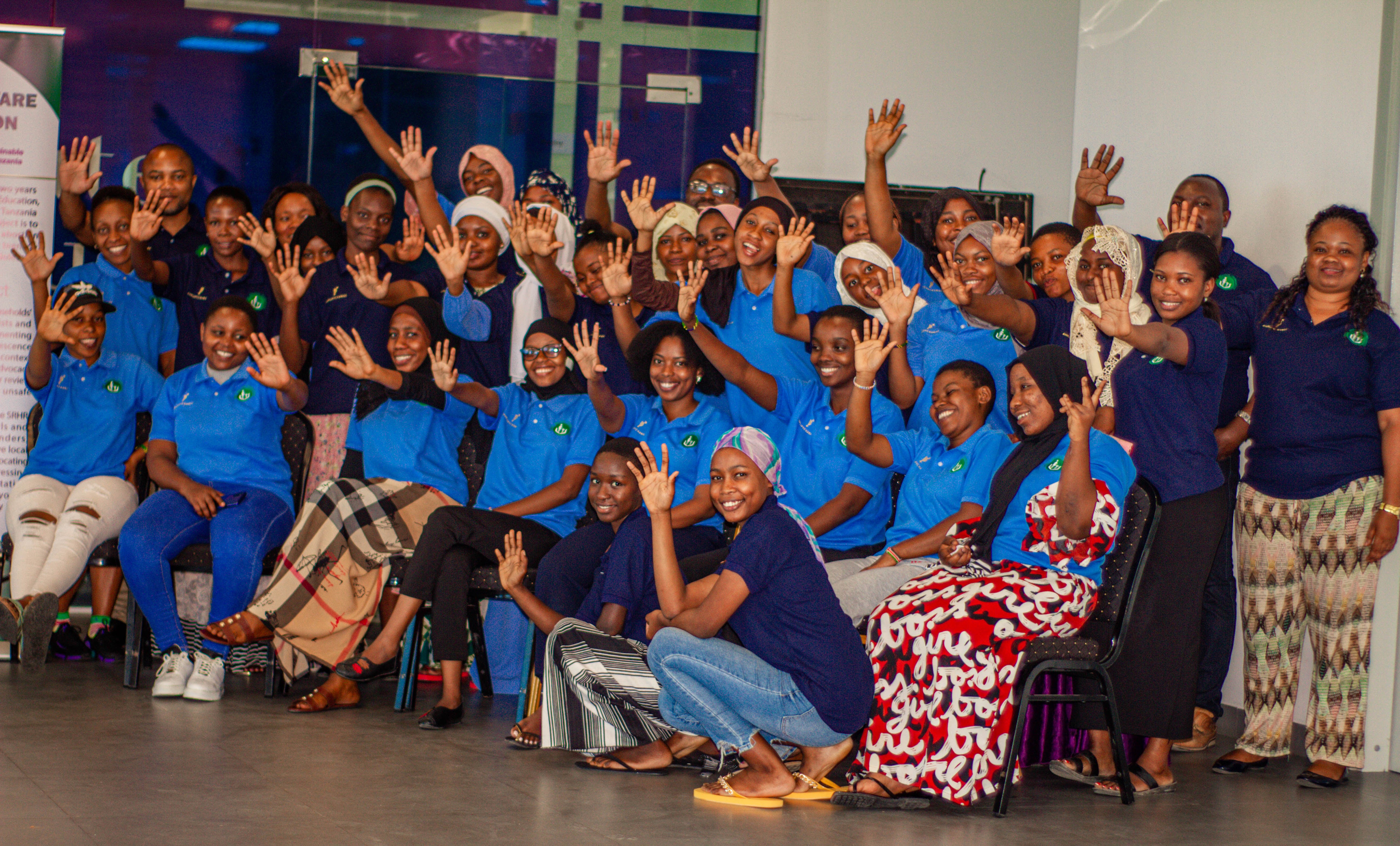
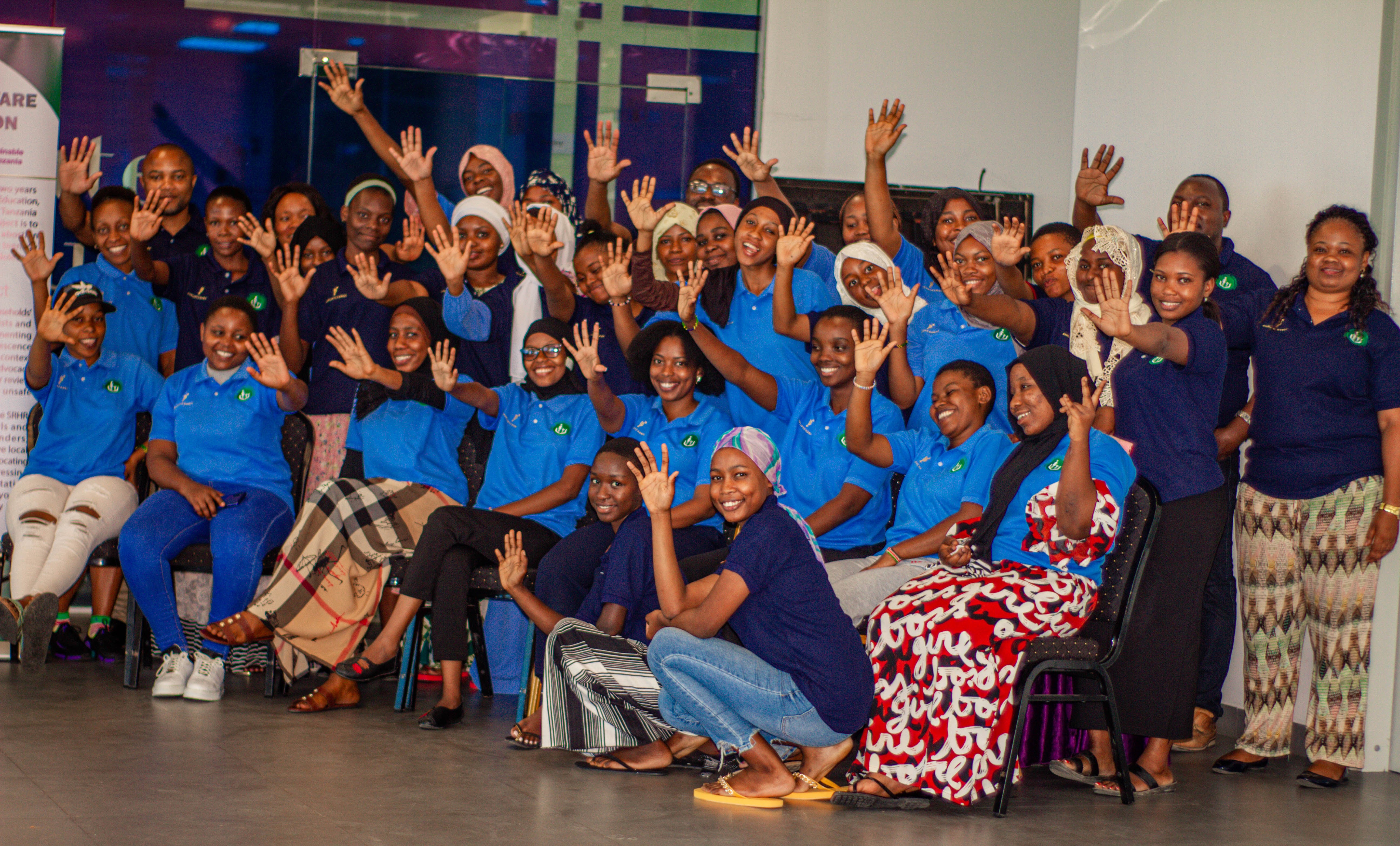
Family Welfare Foundation (FWF) is a Tanzanian women and girls human rights non-governmental and non-profit organization dedicated to advancing women and girls human rights, improving access to quality healthcare services and strengthening sustainable socio-economic development opportunities for women, adolescent girls, young people and vulnerable communities.

FWF works through community engagement, policy advocacy and strategic partnerships with government institutions, civil society organizations (CSOs), and development partners to address structural inequalities affecting women and girls in Tanzania. The organization promotes gender equality, strengthens accountability in public service delivery systems and supports community-driven solutions that improve the wellbeing, resilience and livelihoods of women and vulnerable populations.

FWF programs focus on improving access to primary healthcare services including Sexual and Reproductive Health and Rights (SRHR), HIV, Tuberculosis (TB) and malaria prevention and treatment. The organization also works to address violations of women and girls’ rights, prevent gender-based violence, strengthen women economic empowerment and promote youth leadership and participation in community development.

Recognizing the growing impact of climate change on vulnerable communities, FWF also integrates climate resilience and environmental sustainability into its development initiatives. The organization supports community awareness on climate change, promotes climate-resilient livelihoods and encourages sustainable agricultural practices that strengthen food security and economic stability for women and rural households.

Through initiatives such as climate-smart agriculture, community-based natural resource management and sustainable livelihood programs, FWF works to ensure that women and youth are equipped with knowledge and skills to adapt to climate-related challenges such as drought, changing rainfall patterns and environmental degradation.

The organization operates across multiple regions of Tanzania and collaborates with community networks, local government authorities, health facilities, farmer groups, and national stakeholders to deliver sustainable development initiatives that empower women and girls while strengthening community resilience to social, economic and environmental challenges.

Status of Women and Girls in Tanzania

Women and girls in Tanzania continue to face a range of social, economic, environmental and health challenges that limit their ability to fully participate in development processes. Although the country has made progress in promoting gender equality through policies and legal frameworks, many women and girls still experience significant barriers to accessing education, healthcare services, economic opportunities, land ownership, and participation in decision-making processes.

Gender-based violence remains a major challenge affecting women and girls in both public and private spaces. Harmful cultural norms, gender inequality, and social discrimination continue to undermine women’s rights and restrict their ability to access justice, economic resources, and leadership opportunities.

Adolescent girls and young women face particular challenges in accessing sexual and reproductive health information and services. Early pregnancy, child marriage, school dropout, limited youth-friendly health services, and economic vulnerability continue to affect the wellbeing and future prospects of many young women, especially in rural and marginalized communities.

Climate change has also become an emerging challenge that disproportionately affects women and girls. Changes in rainfall patterns, droughts, floods and environmental degradation threaten food security, agricultural productivity, water availability, and livelihoods in many rural communities. Because women play a central role in agriculture, water collection, and household food production, they are often the most affected by climate-related shocks.

Limited access to land, agricultural inputs, climate information and financial resources further reduces the ability of women farmers to adapt to climate change. Strengthening women access to climate-resilient agriculture, sustainable farming technologies and economic opportunities is therefore essential to improving household resilience and reducing poverty.

Addressing these interconnected challenges requires coordinated efforts that strengthen health systems, promote gender equality, improve climate resilience, support sustainable agriculture, and empower women and girls to actively participate in social, economic, and environmental development.
Historical Perspective

FWF was established in response to growing concerns about the health, rights, and socio-economic challenges affecting women, adolescent girls and young people in Tanzania.

The organization was initially formed as a community-based initiative focused on addressing adolescent sexual and reproductive health and rights issues among young people. As the organization gained experience working with communities and stakeholders, it expanded its mandate to address broader development challenges affecting women and girls, including gender-based violence, limited access to healthcare services, economic marginalization and social inequality.

Over time, FWF developed a comprehensive programmatic approach that integrates women human rights advocacy, primary healthcare services, economic empowerment, climate resilience and sustainable livelihood initiatives. The organization has implemented a range of community-based programs aimed at improving access to health services, strengthening protection against gender-based violence, promoting youth leadership and supporting women participation in economic and agricultural activities.

Recognizing the importance of environmental sustainability for long-term development, FWF has also incorporated climate change adaptation and improved agricultural practices into its work. Through community training, awareness campaigns and partnerships with agricultural and environmental stakeholders, the organization promotes climate-smart agriculture, sustainable land use practices and income-generating activities that help women and communities adapt to climate-related challenges.

Today, FWF continues to build on its experience by working with communities, government institutions, development partners, and local stakeholders to create sustainable and inclusive solutions that improve the lives of women, girls, and vulnerable populations across Tanzania.

therefore always free for donation

We work by providing best service

Implementation partners

img
img
img
img
img
img